
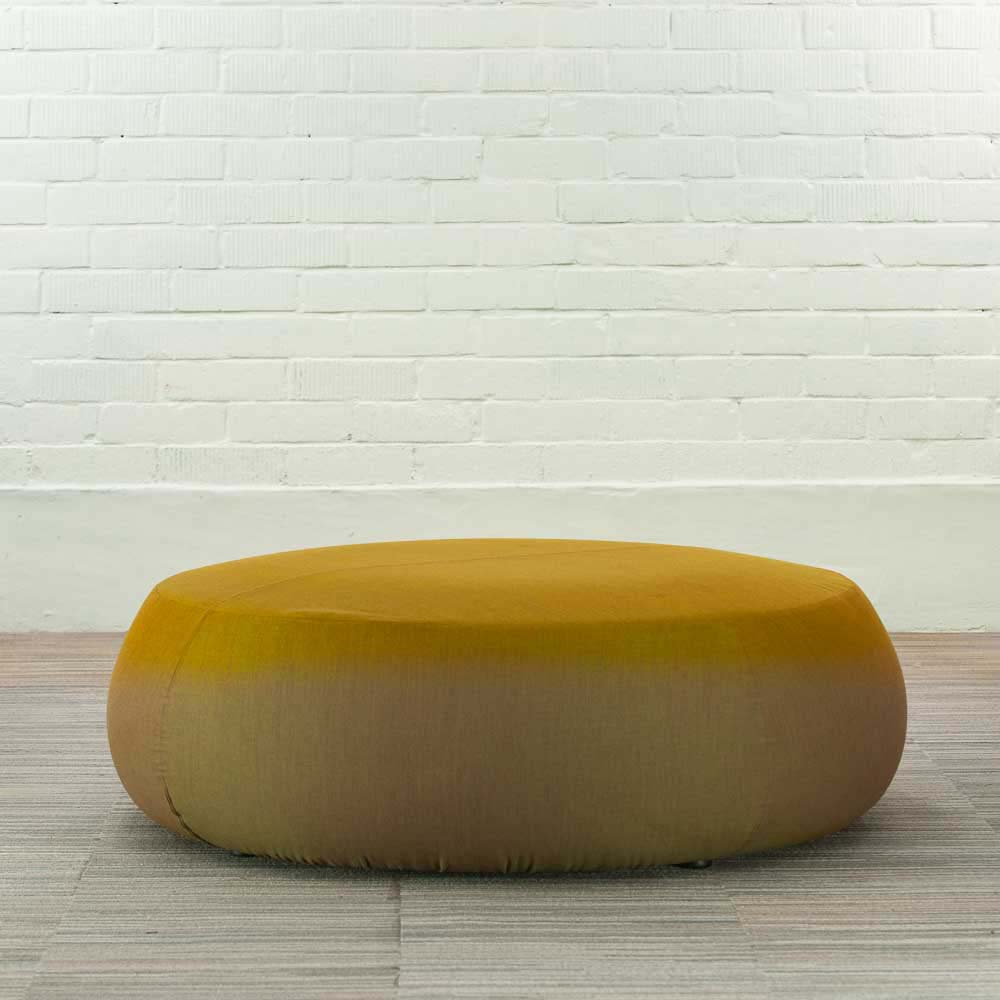
Pix #3024 Pouf

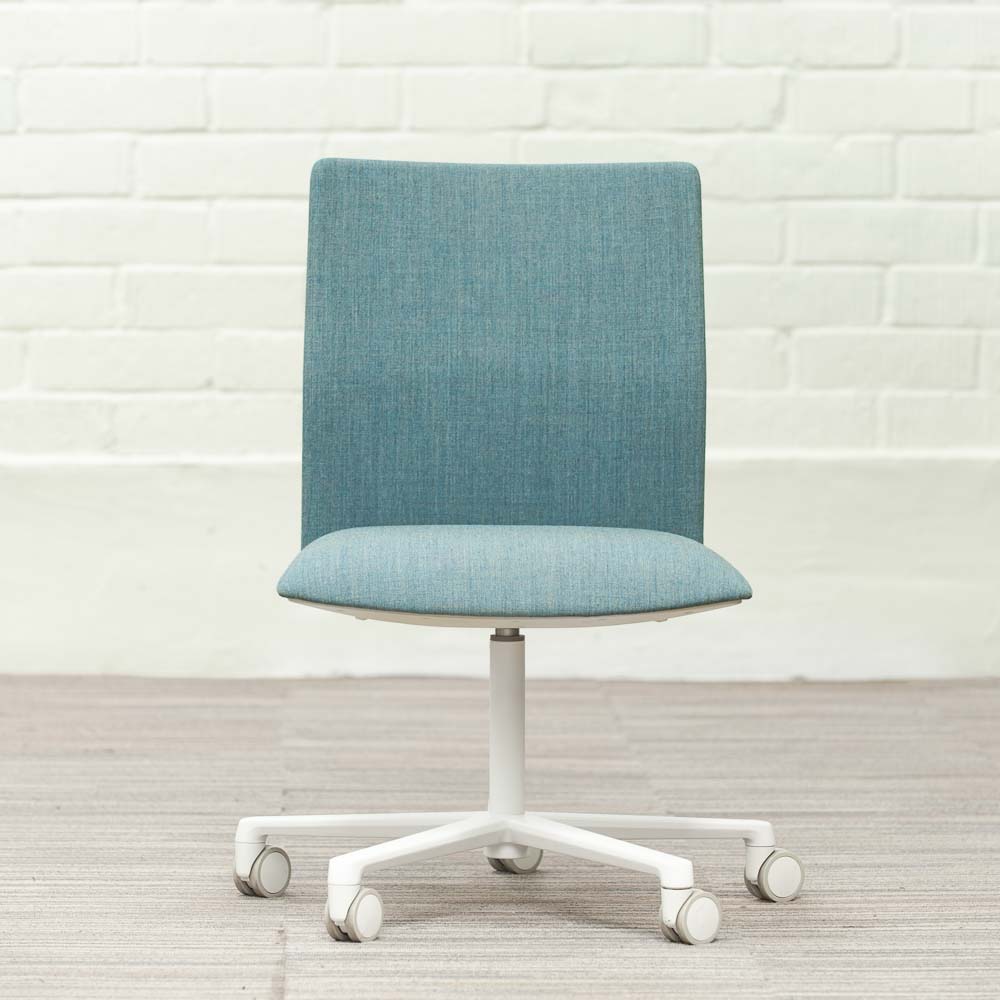
Kinesit Office Chair

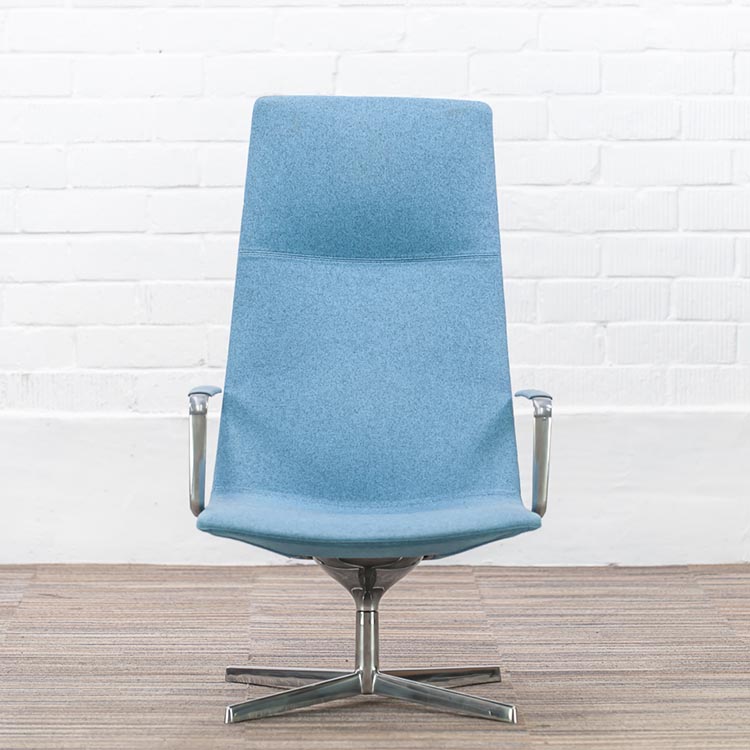
Catifa 70 Lounge Chair

Nuur #0800 Conference Table

Saari Reception Chair

CORTE Lounge Set

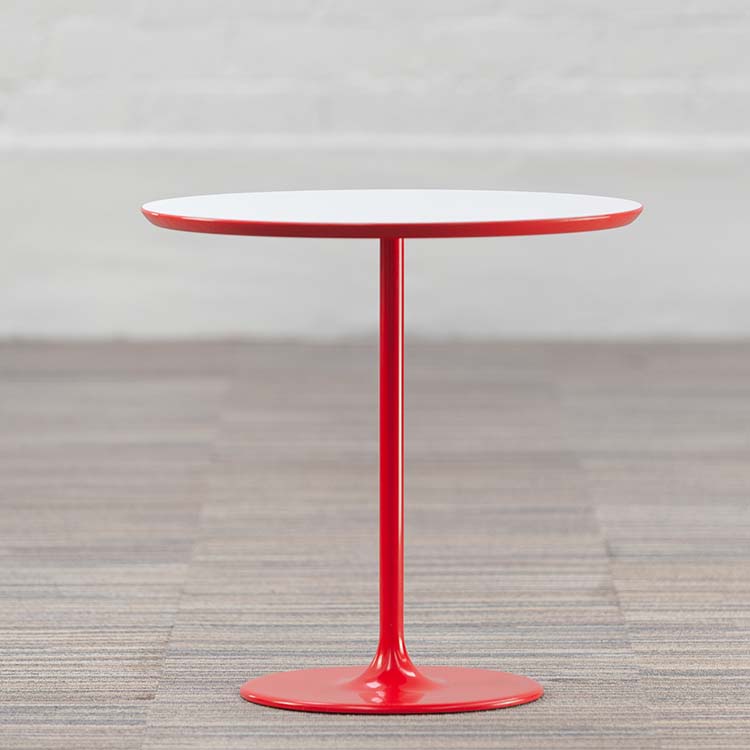
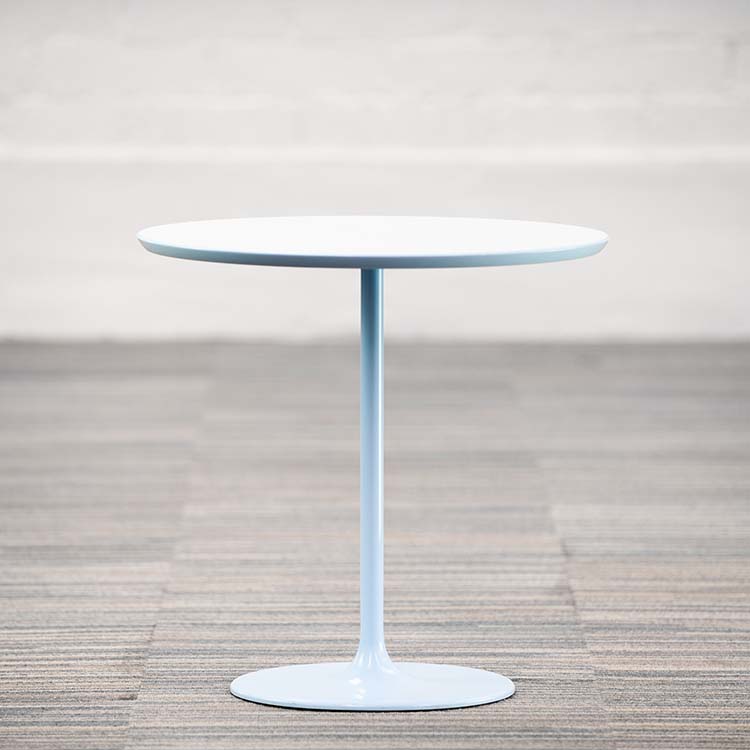
Dizzie Side Table

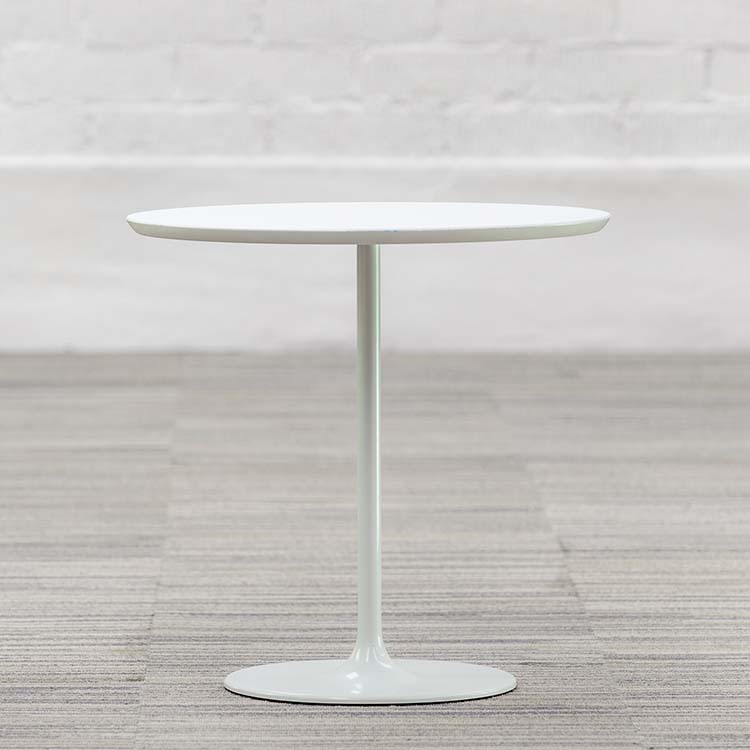
Dizzie Side Table

Dizzie Side Table

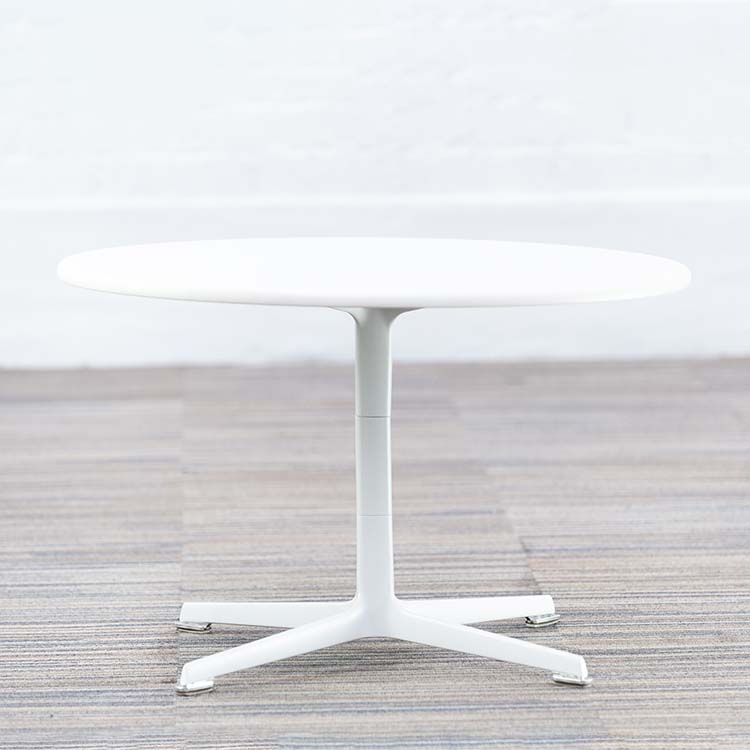
Fred Coffee Table


1989 – present
Soft forms for shared spaces
Arper is an Italian design brand focused on furniture collections for workspaces, hospitality, and public environments. Its approach is light and human-centered, with a strong emphasis on comfort, tactility, and spatial harmony. Sustainability and material awareness play an increasingly important role in its design process.
Arper was founded in 1989 in Italy and developed, from the late 1990s onward, into a brand with a distinct and recognizable design identity. Its design language is defined by soft lines, rounded volumes, and a restrained color palette, placing visual calm at its core. The brand primarily works with seating, tables, and modular systems that integrate effortlessly into a wide range of environments. Collaborations with designers such as Lievore Altherr Molina and Jean-Marie Massaud have resulted in collections that combine ergonomics with a clear, almost architectural simplicity. Materials such as plastic, textiles, and metal are used in a light and consistent way, with a growing focus on recycled resources and circular design principles.


1989 – present
Soft forms for shared spaces
Arper is an Italian design brand focused on furniture collections for workspaces, hospitality, and public environments. Its approach is light and human-centered, with a strong emphasis on comfort, tactility, and spatial harmony. Sustainability and material awareness play an increasingly important role in its design process.
Arper was founded in 1989 in Italy and developed, from the late 1990s onward, into a brand with a distinct and recognizable design identity. Its design language is defined by soft lines, rounded volumes, and a restrained color palette, placing visual calm at its core. The brand primarily works with seating, tables, and modular systems that integrate effortlessly into a wide range of environments. Collaborations with designers such as Lievore Altherr Molina and Jean-Marie Massaud have resulted in collections that combine ergonomics with a clear, almost architectural simplicity. Materials such as plastic, textiles, and metal are used in a light and consistent way, with a growing focus on recycled resources and circular design principles.